




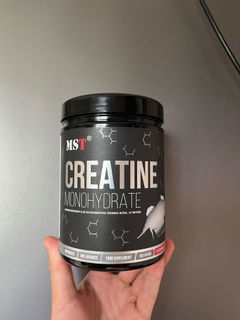
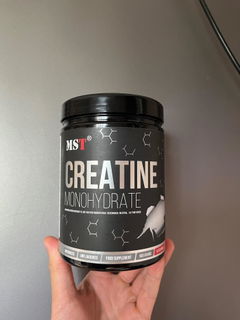

I’ve been taking Omega 3 Triglyceride D3 + K2 for a while and really like it. The capsules are easy to take, and I like having omega-3, vitamin D3 and K2 in one product. The order arrived quickly and everything was well packed. Very happy with the quality and service!
Sort by:
Omega 3 Selected 120 Kapseln
€24,90
MST® Omega 3 Selected - Reliable Solution for Active and Goal-Oriented People (120 Capsules) If you are looking for a product that combines effectiveness, ease of use, and proven quality,...
Omega 3 Selected 240 Capsules
€38,90
MST® Omega 3 Selected - Your Optimal Choice for Maximum Performance and Productivity (240 Capsules) If you are looking for a product that combines effectiveness, ease of use, and proven...
Omega 3 Selected 500 Capsules
€54,90
MST® Omega 3 Selected 500 Kapseln MST® Omega 3 Selected ist ein Nahrungsergänzungsmittel mit Fischöl und den Omega 3 Fettsäuren EPA und DHA. Die praktische Kapselform ermöglicht eine unkomplizierte Einnahme...
Omega 3 Selected 60 capsules
€14,00
MST® Omega 3 Selected 60 capsules | High-dose 1000 mg per capsule | 330 EPA / 220 DHA High-dose 1000 mg per capsule 330 mg EPA and 220 mg DHA...
Omega 3 Triglycerides 75% 180 Softgels
€39,90
MST® HALAL Omega 3 Triglyceride 180 Capsules - Buy Now in Germany! Choose MST® Omega 3 Triglyceride - the high-dose dietary supplement specially developed for discerning customers in Germany. With...
Omega 3 Triglycerides 75% 60 Softgels
€19,90
MST® Omega 3 Triglyceride HALAL - Buy Now in Germany! Choose MST® Omega 3 Triglyceride - the high-dose dietary supplement specifically developed for discerning customers in Germany. With 60 capsules...
Omega 3 Triglycerides 75% 90 Softgels
€24,90
Buy MST® Omega 3 Triglyceride 75% HALAL - 90 Softgels online in Germany With MST® Omega 3 Triglyceride HALAL - 90 Softgels, you receive a high-quality fish oil supplement in...
Nordic Omega 3 90 Softgels
MST® Omega 3 Nordic 90 capsules | High-dose 1000 mg per capsule | 180 EPA / 120 DHA High-dose 1000 mg per capsule 180 mg EPA and 120 mg DHA...
Omega 3 + D3 + K2 60 softgels
€19,90
MST® Omega 3 60 Capsules provide a high-dose formula with 1000 mg of omega-3 fatty acids per capsule, combined with vitamin D3 and vitamin K2. Here are some features and...
Omega 3 Triglycirides 75% 300 Softgels
€59,90
Buy MST® HALAL Omega 3 Triglyceride 75% - 300 Softgels in Germany at the Best Price Those looking for HALAL Omega 3 in Germany will find a reliable solution at...
Omega 3 Triglyceride D3 + K2 120 softgels
€29,90
MST® Omega 3 Triglyceride D3 + K2 120 softgels Omega 3 Triglyceride D3 + K2 kombiniert hochwertige Omega-3-Fettsäuren aus Fischöl mit Vitamin D3 und Vitamin K2. Eine Tagesportion von 2...
What is omega-3?
Fatty acids are essentially the "building blocks" from which living organisms build fats. The body of an average person consists of approximately 20% fat (this includes not only subcutaneous fat, but also, for example, all the fat in the internal organs).
In addition, fatty acids are a component of the cell membranes of every organism. Fatty acids play an important role in all of our body's functions, from normal brain function and memory to breathing and blood circulation.
Dietary fats contain three types of fatty acids:
- saturated;
- monounsaturated;
- polyunsaturated.
Fatty acids are essential components of fats, which in turn make up a significant portion of the human body. On average, the human body consists of approximately 20% fat. This fat is found not only in subcutaneous adipose tissue, but also in internal organs. Fatty acids are integral components of cell membranes and play a crucial role in various bodily functions.
Here are some important aspects and effects of fatty acids:
- Cell membranes: Fatty acids are essential components of the phospholipids in cell membranes, which maintain the integrity and fluidity of the membranes. This enables the transport of nutrients and waste products into and out of cells.
- Energy source: Fatty acids serve as a significant source of energy. When needed, they are oxidized in the mitochondria of cells to produce energy required for various physiological processes.
- Brain function and memory: Omega-3 fatty acids, particularly DHA (docosahexaenoic acid), are found in high concentrations in the cell membranes of nerve cells and are important for normal brain function and memory.
- Anti-inflammatory effects: Some fatty acids, such as omega-3 fatty acids, have anti-inflammatory properties that may be helpful in preventing and treating inflammatory diseases.
- Immune system: Fatty acids are also involved in regulating the immune system. They influence the production of eicosanoids, which are signaling molecules that modulate the immune response.
Overall, fatty acids are essential not only for building fats in the body, but also for a variety of vital functions. Their beneficial effects, particularly at high concentrations, include supporting brain function, promoting cardiovascular health, and modulating the immune system.
The direct omega-3 fatty acids are:
- Eicosapentaenoic acid (EPA)
- Docosahexaenoic acid (DHA)
- Alpha-linolenic acid (ALA)
When and how much omega-3 per day?
The optimal amount of omega-3 fatty acids you should take per day may vary depending on your individual health goals, age, sex, and health status. However, here are some general recommendations:
- EPA and DHA: The two most important omega-3 fatty acids are eicosapentaenoic acid (EPA) and docosahexaenoic acid (DHA). The American Heart Association recommends a daily intake of at least 250-500 milligrams of EPA and DHA for healthy adults for general heart health. People with high triglyceride levels or heart disease may need higher amounts, often up to 1000 milligrams of EPA and DHA per day.
- Alpha-linolenic acid (ALA): Alpha-linolenic acid is a plant-based omega-3 fatty acid found in foods such as flaxseeds, chia seeds, walnuts, and rapeseed oil. The recommended daily intake is approximately 1.1-1.6 grams for men and 0.7-1.1 grams for women.
- Balanced diet: A balanced diet with omega-3-rich foods such as fatty fish (e.g., salmon, mackerel, sardines), flaxseeds, chia seeds, walnuts, and algae can help meet your daily omega-3 needs.
- Supplements: If you cannot get enough omega-3 from your diet, supplements can be a convenient way to ensure that you get sufficient EPA and DHA. The dosage of omega-3 supplements varies depending on the product and can range from 250 to 1000 milligrams of EPA and DHA per capsule.
It is important to follow the recommended dosages and not take excessive amounts of omega-3 fatty acids, as this can lead to unwanted side effects. If you have questions about taking omega-3 supplements or specific health concerns, you should consult a doctor or nutritionist.
Omega-3 for athletes
Supplements containing omega-3 and omega-6 fatty acids are recommended for athletes to strengthen the immune system, which can be weakened by intense training. Omega-3 also helps lower cortisol levels, a stress hormone.
This can increase the duration of training and therefore its effectiveness. In addition, as we already know, omega-3 strengthens cell membranes, meaning it protects them from damage, which has a positive effect on the recovery process between training sessions.
How to take omega correctly - instructions and side effects
The special feature of consuming omega-3 and omega-6 fatty acids is their composition and ratio. The optimal ratio of omega-3 to omega-6 fatty acids in the human diet is 1:4, but in the modern world it is sometimes shifted several times in favor of omega-6.
In the right ratio to omega-6, omega-3 penetrates the tissues effectively, strengthens cell membranes, and reduces inflammation, while excess omega-6 combats excess cholesterol, cleanses the blood vessels, and prevents you from becoming overweight. The optimal daily amount of omega-3 for the body is 1 gram per day.
If you exceed this level several dozen times, side effects may occur, as if you had "overconsumed" fat - nausea, diarrhea, and other gastrointestinal "signals." It is also recommended to consult a doctor before taking it, especially if you are prone to seafood allergies.
MST® Nutriton, a sports nutrition manufacturer based in Berlin, offers a large selection of different types of omega-3:
- Omega-3 Selected 110 and 300 capsules (high-dose)
- Omega D3 K2, 60 capsules (more than 200 mg of DHA per capsule)
- Omega-3 Nordic Fish Oil, 90 and 300 capsules
- Omega-3 Triglycerides 50/25, 90 and 200 capsules (high-dose)
MST® also conducts a double laboratory analysis of omega-3 for heavy metal content and microbiology. This is very important to ensure that the food product always meets the declared standards and the high quality of omega-3.
When you buy omega-3 from the German company MST Nutrition, you can always be sure that you are getting a high-quality product at a reasonable price!
When should I take omega-3?
The best time to take omega-3 depends on your personal habits, meals, and daily routine. In general, however, there is no specific time that applies to everyone, and omega-3 fatty acids can be taken at any time of day.
Some people prefer taking omega-3 supplements with a meal to reduce potential digestive discomfort and improve absorption. Since omega-3 fatty acids are fat-soluble, the body may absorb them better when they are taken with other dietary fats. Therefore, taking omega-3 capsules with a high-fat meal may be beneficial.
Others prefer taking omega-3 supplements right before bedtime, as some studies have shown that omega-3 fatty acids may have a calming effect and could potentially help improve sleep.
Ultimately, it is important to find a routine that works best for you. You can take omega-3 supplements at the time that is most convenient for your daily routine and fits best with your meals.
It is also advisable to discuss taking omega-3 supplements with a doctor or nutritionist to determine the optimal dosage and timing based on your individual needs and health goals.
Who should not take omega-3?
Although omega-3 fatty acids are safe for most people and may offer many health benefits, there are certain groups of people who may not be able to take omega-3 supplements or who should consult their doctor before taking them. Here are some situations in which caution is advised or people should avoid omega-3 supplements:
- Allergies: People with known allergies to fish or other ingredients in omega-3 supplements should avoid them.
- Blood thinners and anticoagulants: Omega-3 fatty acids may have a blood-thinning effect, so people already taking blood-thinning medications such as warfarin should discuss taking omega-3 supplements with their doctor to avoid possible interactions.
- Cholesterol-lowering medications: People taking statins or other cholesterol-lowering medications should discuss taking omega-3 supplements with their doctor, as this combination may impair the effectiveness of the medications.
- Diabetes: People with diabetes should discuss taking omega-3 supplements with their doctor, as they may affect blood sugar levels.
- Pregnancy and breastfeeding: Pregnant or breastfeeding women should discuss taking omega-3 supplements with their doctor, as this may affect the development of the fetus or breastfed baby.
- Liver disease: People with liver disease should discuss taking omega-3 supplements with their doctor, as high doses may impair liver function.
Nutritional supplements containing omega-3 and fatty acids
Simply order on the website www.mst-nutrition.de and we will deliver it with the help of "DHL" throughout Europe and the world, including cities such as Berlin, Hamburg, Cologne, Düsseldorf, Munich, and other cities in Germany. You can also order omega-3 capsules from our partners in Austria, England, Italy, and other European countries. Look for them on the shelves of sports nutrition stores! Buy omega-3 online in Germany, Austria, and Switzerland.
- Choosing a selection results in a full page refresh.
{ "message": ["🔥 Don't forget this..."," 🔥 Come back!"],"delay": 1000 }
Choose your location
Select the store that matches your shipping location.